
 Local Minnesota Home Improvement
  Request a Quote
  Get My Offer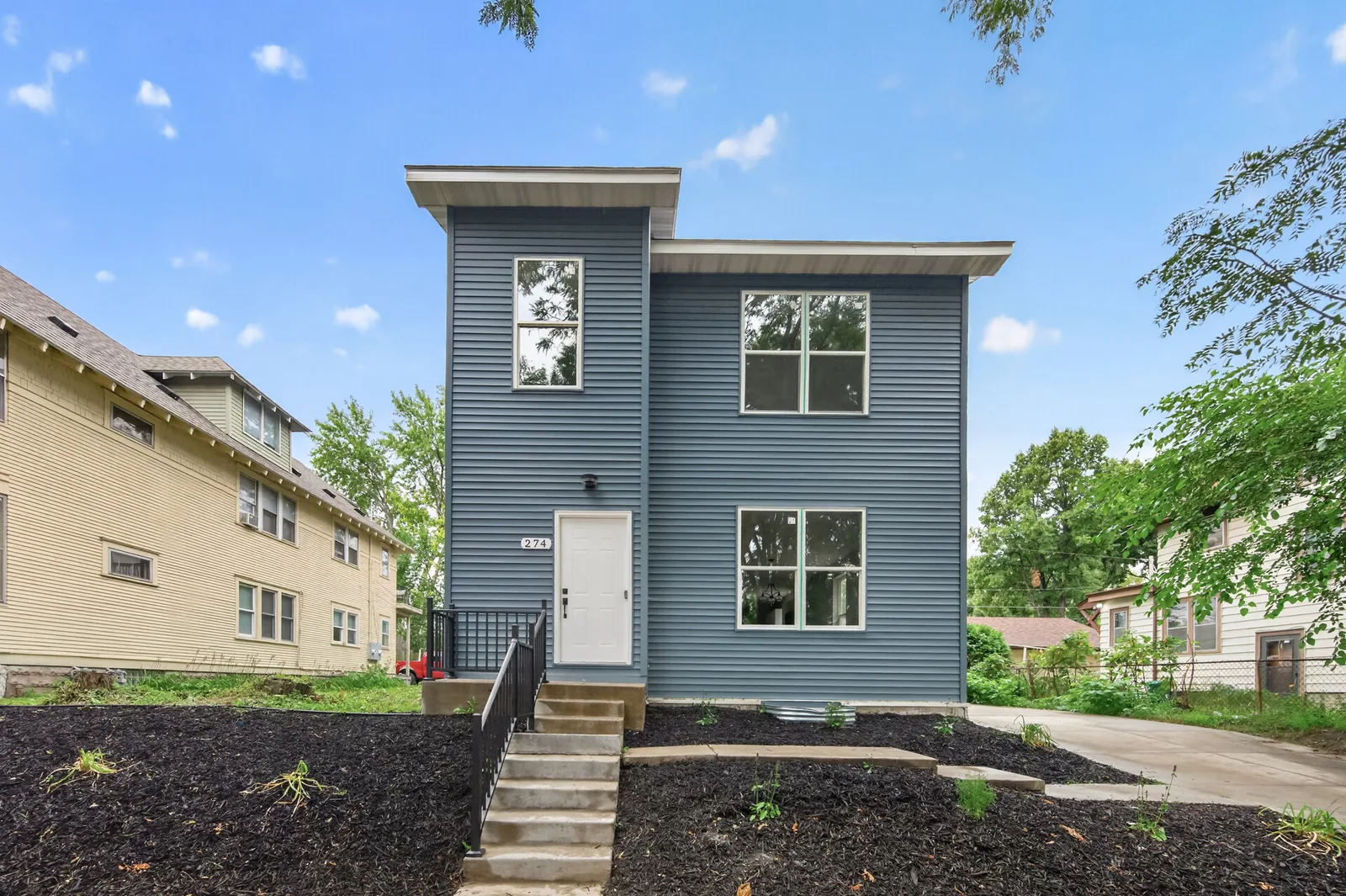
Construction Services
Siding
Siding is the layer keeping weather out of the wall. When it fails, the damage happens where you cannot see it.
Cracked, loose or missing siding lets water reach the sheathing behind it. In a Minnesota winter that water freezes, expands, and makes the opening bigger. A small siding problem in autumn is often a much larger one by spring.
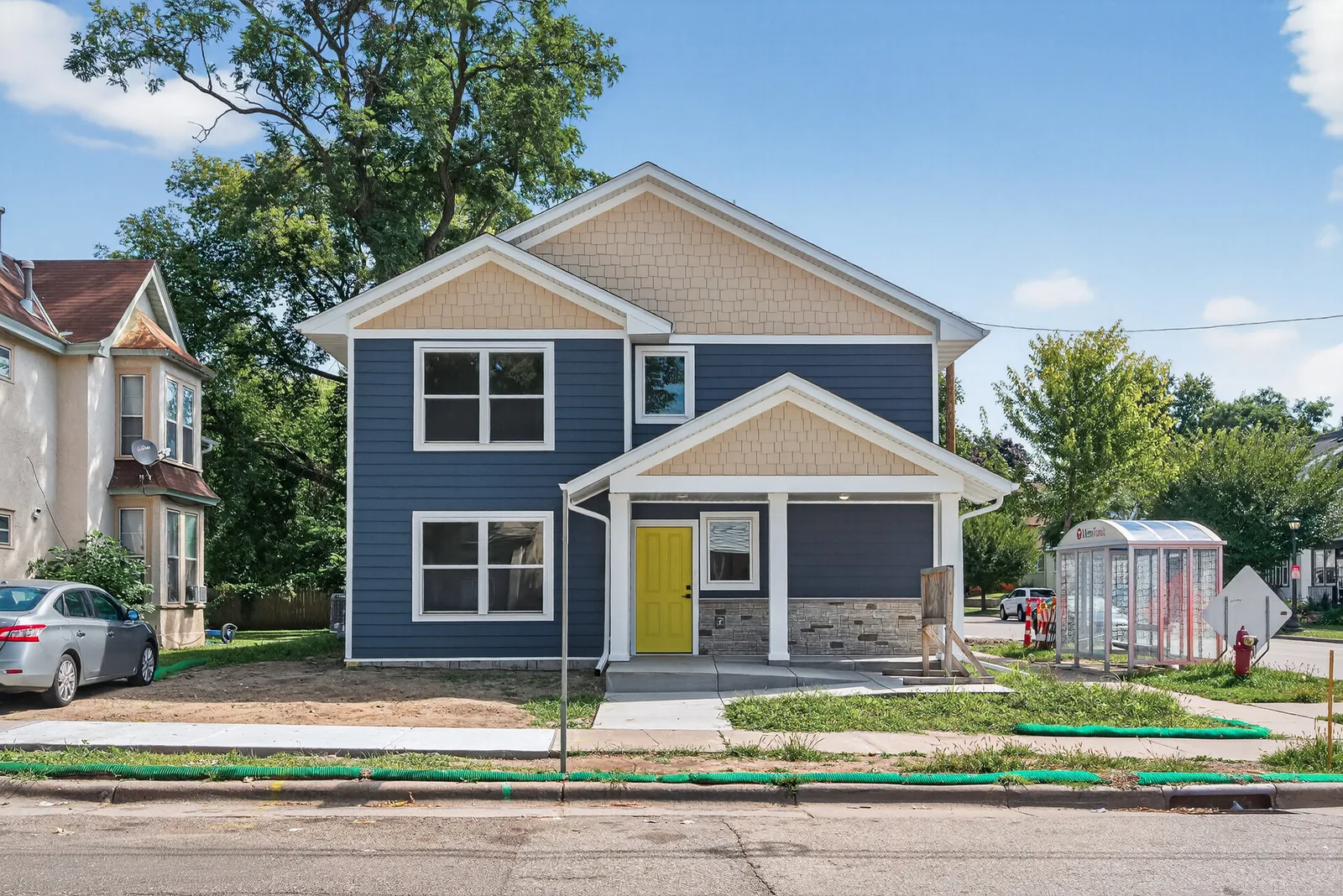
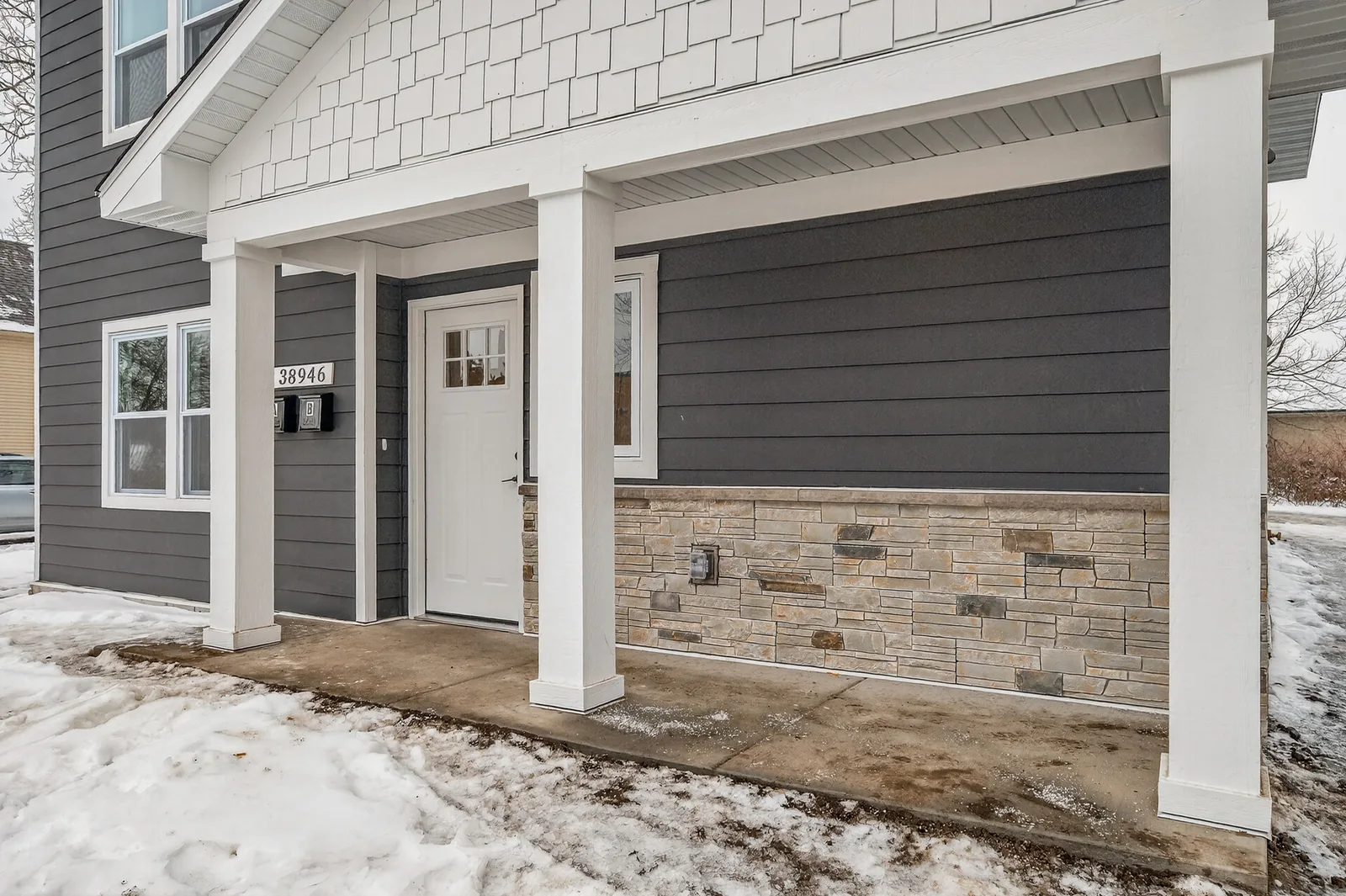
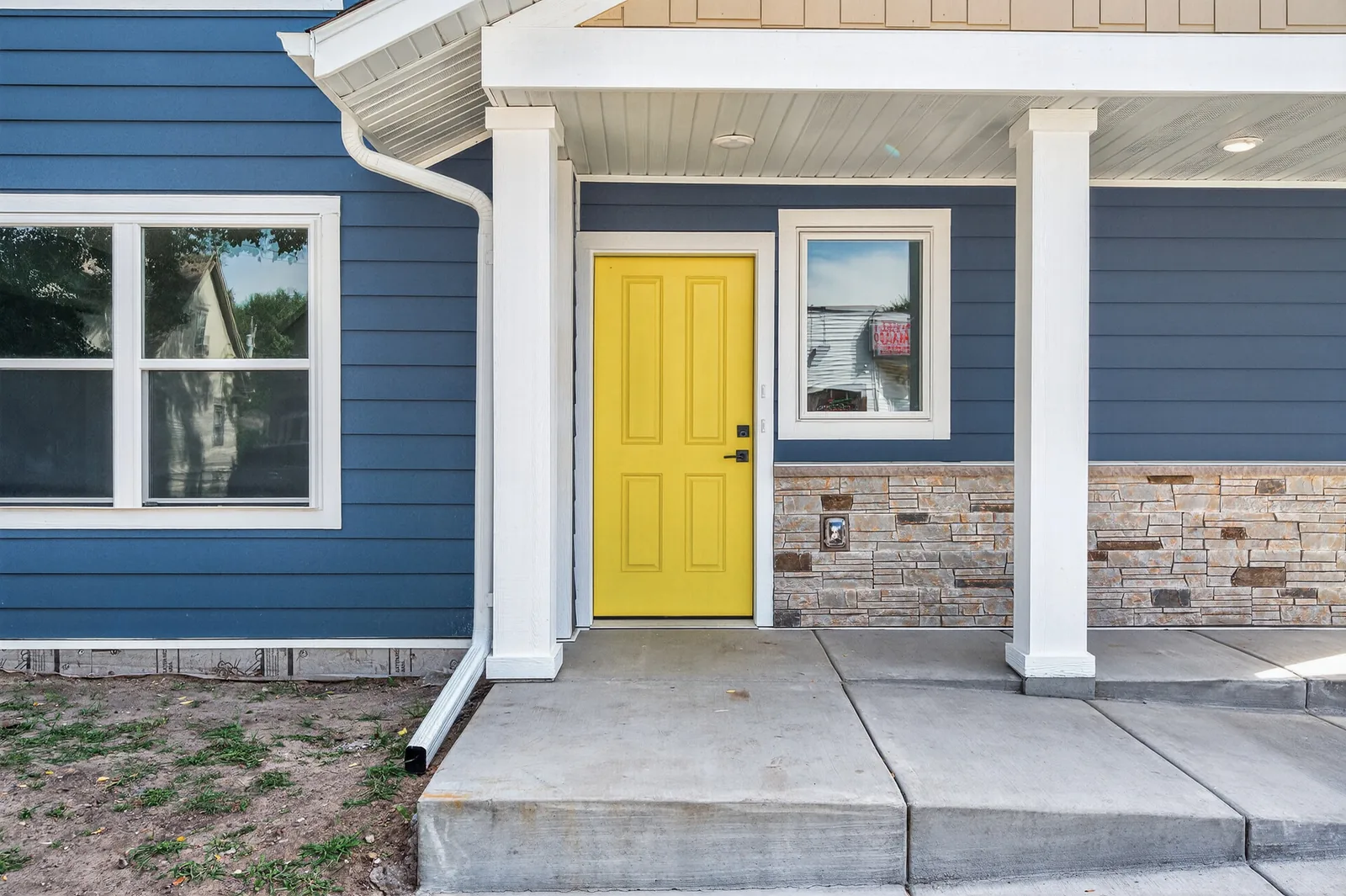
We repair and replace siding on Minnesota homes, matching existing material where a full replacement is not warranted, and installing complete systems with proper house wrap where it is.
What this covers
- Siding repair and section replacement
- Full siding replacement with house wrap
- Trim, soffit and fascia work
- Storm and impact damage
What siding is really doing
Siding is a rain screen, not a seal. It sheds the bulk of the water that hits the wall and sends it down and away. Some always gets past it, at the laps, around windows, behind trim. The system behind the siding handles the rest.
Trouble starts when siding stops shedding and starts collecting. A loose panel, a split board, a gap at a corner post, trim pulled away from a window frame. Water gets in and stops moving, sitting against the sheathing instead of running past it.
What happens next you do not see from the yard. Sheathing gets damp, stays damp, and softens. Wet insulation loses most of its value. Fasteners rust. Given long enough, the framing goes. By the time you notice a soft spot on an inside wall, the wall has been wet a while.
Cold makes it faster here. Water in a crack freezes and gets bigger, and every freeze widens the opening. Siding that came loose in October is worse in April, which is why fall is a good time to walk the walls with your eyes up.
House wrap, flashing and the drainage layer
Behind the siding there should be a weather-resistive barrier, usually house wrap, over the sheathing. It stops liquid water from reaching the sheathing while letting water vapor out. A wall that cannot dry to the outside holds whatever moisture gets into it.
House wrap only works if it is lapped right. Upper courses over lower, seams taped, corners wrapped rather than butted. A wall can be fully covered and still leak if one seam is lapped backwards, because water follows gravity and the wrap tells it where to go.
Flashing is the other half, and where most siding failures start. Windows and doors need pan flashing under the sill and the wrap integrated over the head flange, not caulked and hoped for. Where a roof meets a wall there is kick-out flashing at the bottom of the step flashing, missing on a great many houses. Without it, roof runoff dumps straight into the wall. Deck ledgers, hose bibs, dryer vents, electrical penetrations: each needs the wrap cut and lapped so water passes over it.
Caulk is not flashing. It supplements a detail that already sheds water on its own. When flashing was skipped, the wall depends entirely on a material that shrinks, cracks and needs redoing.
- Kick-out flashing where a roof edge meets a sidewall
- Pan flashing under window and door sills
- Wrap lapped over, never under, the course below
- Sealed penetrations for vents, bibs and conduit
Siding materials in a cold climate
Every common siding material works in Minnesota. They fail in different ways, and cold is what separates them.
Vinyl is the most forgiving on cost and the least forgiving on cold. It gets brittle below zero, so a shovel or a chunk of ice off the roof cracks it in January when it would only have dented it in July. It moves a lot with temperature, which is why it hangs loose on its nails; nail it snug and it buckles in a heat wave. One piece is easy to replace.
Steel handles cold without getting brittle and shrugs off impact better than anything else in common use. It dents rather than cracks, and a dent is cosmetic. The finish is what you are buying; scratched through in a salty spray zone near a driveway, that spot will rust. Steel barely moves with temperature.
Fibre cement is stable, holds paint well, and does not care about cold. It cares about water at the cut ends and the bottom edge. Ends left unsealed and boards run tight to a roof or walk will wick, and freezing does the rest. It needs a clearance gap at grade and at roof lines, and site-cut ends need priming. Engineered wood takes cold fine, but it is a wood product at heart, so the rule applies harder: the edges and the bottom course are where it fails.
No material fixes a wall with bad flashing. Choose for looks, maintenance and what the wall gets hit with. Then get the layer behind it right.
Partial replacement and matching siding
Most siding calls are not a whole house. A section damaged by a falling limb, a wall that took hail, a run of boards below a window where a leak got at them. Replacing the damaged section is often the right answer, and costs far less than a full wrap.
The honest part is that a match is rarely perfect. Sun fades siding unevenly by exposure, so a south wall is a different shade than a north wall on the same house. New material will be closer to the original color than to the wall it goes next to. On vinyl, the profile and color name may both be discontinued. On painted fibre cement or engineered wood the fix is easier, though matching often means repainting the whole wall.
What makes a partial replacement work is a clean break line: a corner, a window edge, a change in plane, a course line running the length of the wall. Ending new material in the middle of a field is where a patch looks like a patch. Often it is better to replace a full elevation than to feather a small area into the middle of it.
We will tell you which you are looking at before we start. Sometimes nobody will notice. Sometimes the match will be visible and you decide whether that bothers you more than the cost of the whole wall. That is your call, made with the information in hand.
Signs it is time, signs it can wait
Plenty of siding looks worse than it is. Chalky vinyl, faded color, a few dents, nail heads showing on steel: appearance, not performance. If the wall still sheds water and the flashing is sound, tired-looking siding can go several more years. Nobody needs to spend money to fix a color.
What does not wait is water getting in. If you see any of the following, get somebody up on a ladder before the ground freezes.
Between those sits the category that can honestly wait a season. A cracked piece high on a gable out of driving rain. A small area of loose caulk. Trim that needs paint. Worth fixing, not worth calling anyone in February about.
One thing plainly: a sagging wall, a window gone out of square, or rotted framing rather than rotted sheathing is a structural question. We will open the wall and show you what is there, but whether the framing is carrying load belongs to a structural engineer, not a siding contractor. Same with gas venting or electrical service running through a wall we are working on. Those go to the licensed trade that owns them.
- Siding that is soft, spongy or crumbling when you press it
- A stain, bubble or soft drywall spot on an inside wall, especially under a window
- Boards pulled away at the bottom or a course that is visibly wavy
- Missing pieces, or a corner post that has separated
- A gap where siding meets a roof edge, particularly with no kick-out flashing
- Peeling paint on one part of a wall, which usually means moisture behind it
Common Questions
How do I know if water is getting behind my siding?
Can you replace just a section of my siding?
What is house wrap and does my house need it?
Which siding holds up best in Minnesota winters?
Should I wait until spring to fix damaged siding?
Ask Us Anything, Anytime.
Have questions about selling your house? Call, text, or send us a message and we will get back to you.